 how-to
How to Keep Toddlers Engaged With Printables
Table of Contents
- Why Printables Work for Toddler Engagement
- Set Up Your Space for Success
- Toddler Printable Activities That Hold Attention
- Screen-Free Activities for Toddlers Using Printables
- Sensory Play Printables to Boost Engagement
- Free Printable Toddler Activities and Budget Alternatives
- Keep the Momentum Going: Refresh and Rotate
- Frequently Asked Questions
Last Updated: October 16, 2026
Why Printables Work for Toddler Engagement
Printable activities keep toddlers engaged because they combine creativity with structure. A toddler can sit down with a colouring page or sticker activity and focus for longer than you'd expect. The key is matching the right activity to your child's interests and attention span.
Interest in movement-based activities for toddlers is rising. According to Pinterest Parenting Trend Report 2026, searches for "movement activities for toddlers" increased by 145%. This signals that parents are actively seeking ways to keep their children engaged through structured, screen-free play.
Research shows that toddlers interact more meaningfully with physical materials than digital ones. A study examining parent-toddler interactions with electronic versus print books found that children engaged more deeply with printed materials. This matters because it means printable activities, something your child can touch, colour, and manipulate, create stronger engagement than apps or videos.
The beauty of how to keep toddlers engaged with printables is their flexibility. You can use them for quiet time, transitions between activities, or rainy days. They work in waiting rooms, at restaurants, or at home. Unlike screen time, printables let your child move, create, and develop fine motor skills simultaneously.
Set Up Your Space for Success
Creating the right environment makes the difference between a five-minute attempt and sustained engagement. Your toddler needs a comfortable, accessible space where they can work independently (or with minimal help).
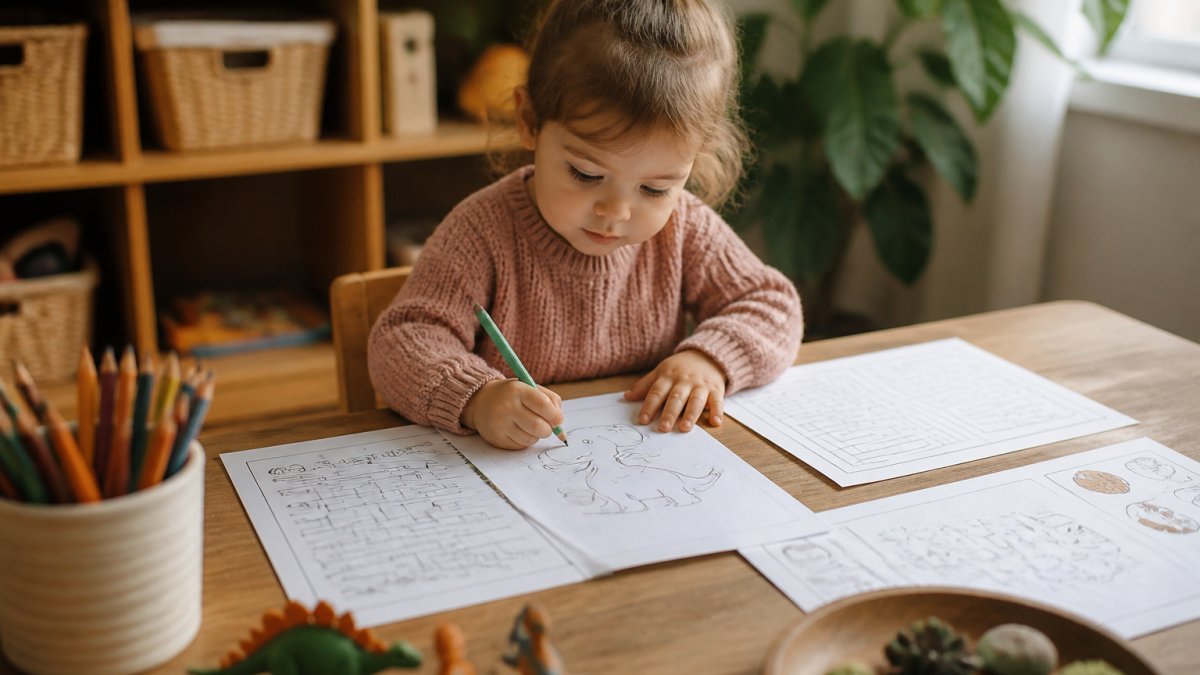
Set up a low table or desk where your child can sit comfortably. Their feet should touch the ground or a footrest. The table should be at elbow height when they're seated. Keep supplies within arm's reach:
- Colouring pencils in a cup or container
- Crayons (thicker ones for younger toddlers)
- Washable felt tips
- Stickers (if using sticker activities)
- A small stack of printables ready to go
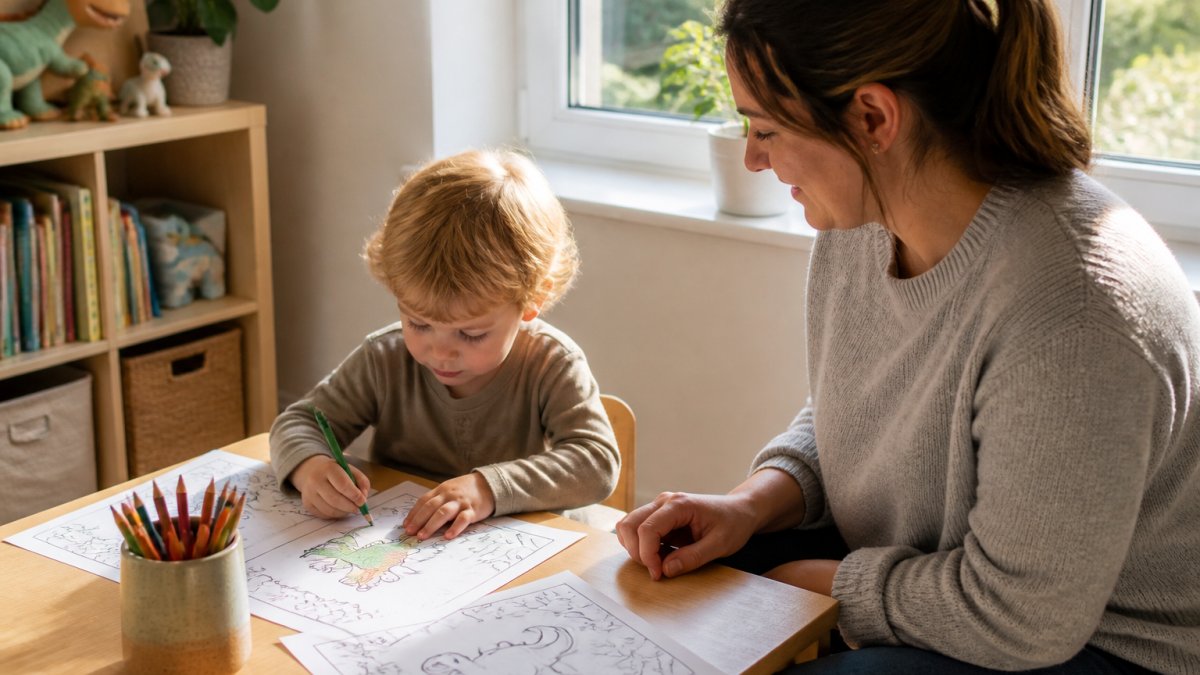
Lighting matters. Natural light is best. If you're working indoors on a grey day, position a lamp nearby so your child can see clearly. Poor lighting frustrates toddlers and cuts engagement short.
Keep the space clutter-free. One activity at a time works better than spreading ten pages across the table. A child faced with choices often freezes rather than picks one. Start with a single printable activity and have a second ready when they finish.
Store your printables in a folder or envelope. Let your child help select which activity comes next. This gives them a sense of control and builds anticipation.
Toddler Printable Activities That Hold Attention
The best toddler printable activities match your child's developmental stage and interests. A three-year-old needs simpler tasks than a five-year-old. But within each age range, personalisation is everything.
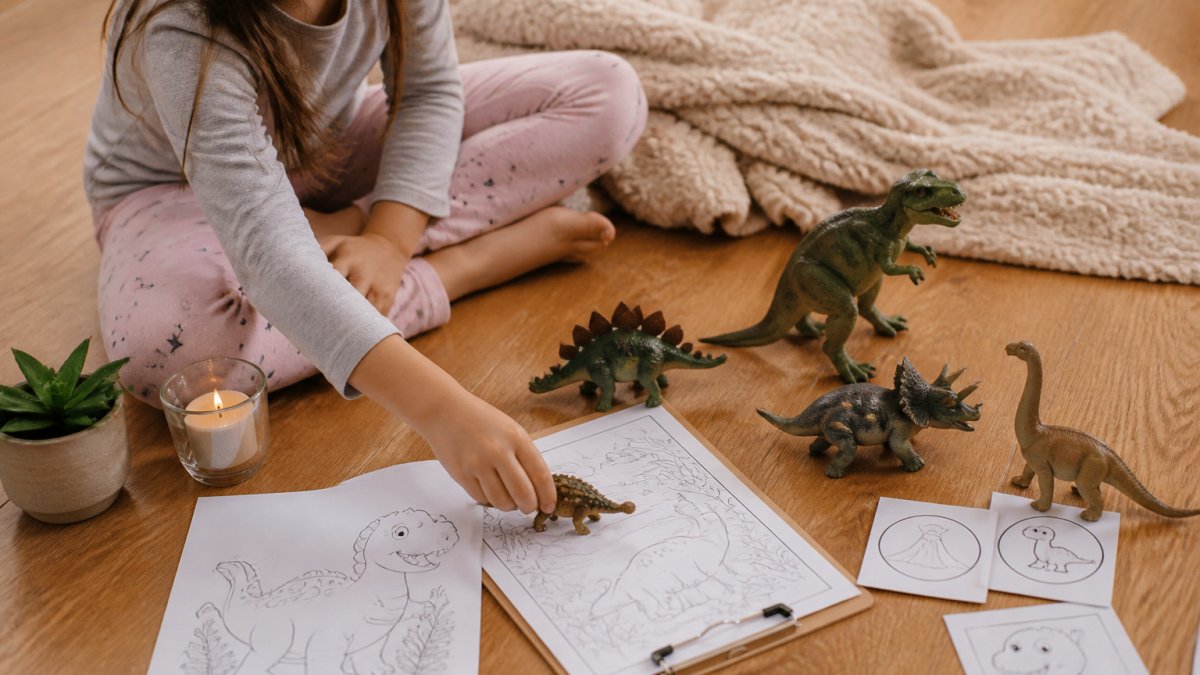
Colouring pages remain the gold standard. Choose pages with large areas and thick lines. Avoid intricate designs with tiny spaces. A dinosaur colouring page works better for a dinosaur-obsessed child than a generic animal sheet. Your child should be able to colour freely without worrying about staying inside the lines.
Sticker activities work brilliantly for younger toddlers (ages 2-4). These require less fine motor control than colouring. Your child peels and places stickers on a scene or page. The tactile feedback keeps them focused. Look for activities where stickers are easy to peel and the backing doesn't tear.
Dot-to-dot activities suit children aged 3-5. They develop pencil control and hand-eye coordination. Start with activities using numbers 1-5, then progress to 1-10 as your child improves.
Maze activities work for older toddlers (ages 4-6). Simple mazes with clear paths hold attention. Complex mazes with multiple dead-ends frustrate young children.
Tracing activities build writing readiness. Your child traces shapes, letters, or lines. This develops the hand strength and control needed for writing later.
Screen-Free Activities for Toddlers Using Printables
Screen-free play matters. Children benefit from activities that don't involve devices. Printables offer a genuine alternative to tablets and television.
How to keep toddlers engaged with printables without screens means choosing activities that encourage creativity and independence. Colouring, sticker placement, and tracing all require your child to use their hands and imagination. They're not passively consuming content; they're actively creating.
Research on parent-toddler interactions supports this approach. According to ABC News reporting on toddler engagement with print materials, toddlers engage more with their parents when using printed materials rather than electronic versions. This means printable activities often become shared experiences, strengthening your connection with your child.
Many experts agree that allowing children to be bored can help them learn to find their own way out of an unsatisfactory state. Printables fill boredom without creating dependency on screens. Your child learns to entertain themselves through drawing, colouring, and creative play.
Benefits of screen-free printable activities:
- Develop fine motor skills (pencil grip, hand strength)
- Build focus and concentration
- Encourage creativity without algorithms
- Create opportunities for parent-child interaction
- Reduce eye strain
- Fit naturally into any routine
Roarora's printable storybooks and colouring packs are designed specifically for screen-free engagement. They combine storytelling with activities your child can complete at their own pace.
Sensory Play Printables to Boost Engagement
Sensory printables add texture and multi-sensory elements to keep toddlers engaged longer. These go beyond basic colouring by involving touch, movement, and sometimes sound.
Textured activities use raised elements. Your child traces bumpy lines or feels textured shapes. This adds a tactile dimension that holds attention for longer than flat colouring pages.
Cut-and-paste activities combine fine motor work with sensory feedback. Your child cuts simple shapes and glues them onto a page. The act of cutting and sticking engages multiple senses and develops hand strength.
Mindfulness printables pair colouring or tracing with calming themes. Shapes, patterns, and gentle imagery help anxious or overstimulated toddlers settle. These work particularly well during transitions or before bedtime.
Movement-based printables incorporate physical activity. Your child might follow a path by hopping, jumping, or dancing. They colour while standing at an easel. These combine screen-free activity with the movement benefits that parents are increasingly seeking.
According to Pinterest Parenting Trend Report 2026, searches for "indoor fun activities for kids" increased by 130%. This reflects parents looking for ways to keep children active indoors. Sensory and movement-based printables meet this need directly.
Free Printable Toddler Activities and Budget Alternatives
Budget-friendly options exist, but they come with trade-offs. Free printables are widely available online, but sourcing, printing, and organising them takes time. Paid printables from quality providers often save that effort.
Free options:
- Generic colouring pages from public websites
- Simple activities you design yourself
- Printables from education blogs
What free printables often lack:
- Original character stories (generic animal or shape themes)
- Professional design and layout
- Curated difficulty progression
- Mindfulness or emotional-learning focus
Paid alternatives:
- Subscription services offering monthly printables
- One-off purchases of themed activity packs
- Character-based collections with storylines
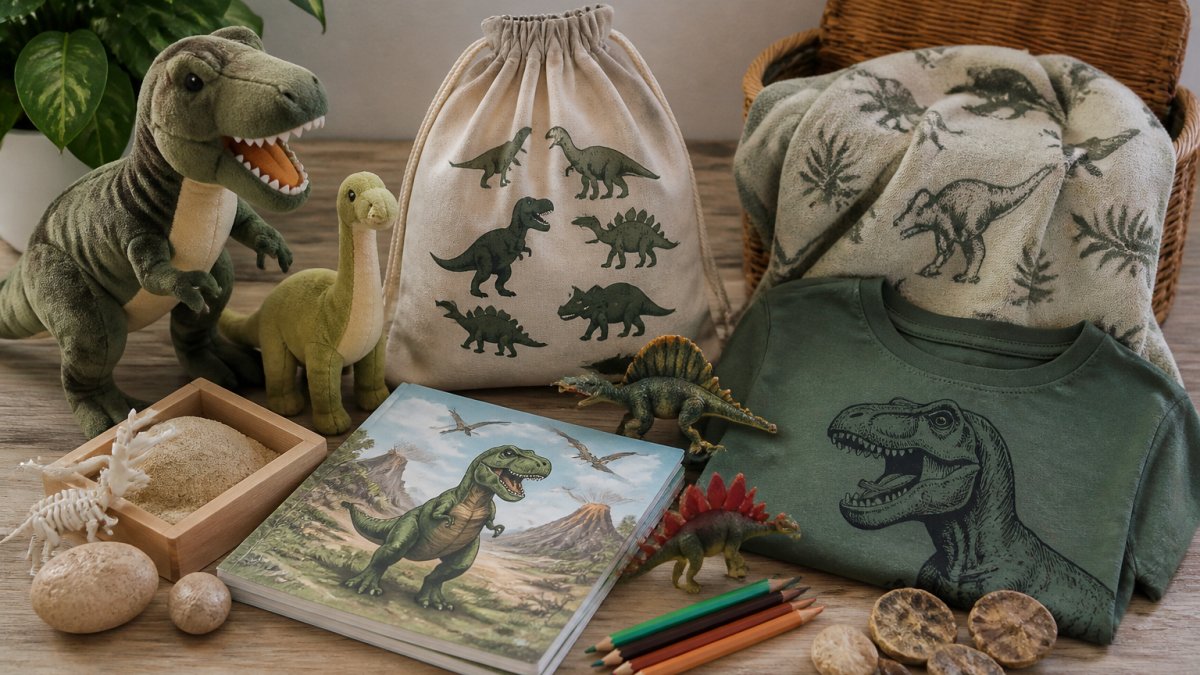
How to keep toddlers engaged with printables often depends on quality. A well-designed activity with a character your child loves holds attention longer than a generic page. Roarora's printable collections feature original dinosaur characters, Rory, Tilly, Stella, Benny, Ada, and Vee, that build familiarity and emotional connection across multiple activities.
When you buy from a small UK business like Roarora, you're investing in original content. The characters appear across storybooks, colouring packs, and mindfulness activities. This consistency helps your child stay engaged across different activity types.
Budget-friendly strategy: Start with a few free printables to test what your child enjoys. Once you identify their interests, invest in a small paid collection. One high-quality pack you'll use repeatedly beats ten free pages gathering dust.
Keep the Momentum Going: Refresh and Rotate
Engagement drops when activities become stale. Rotating printables keeps novelty alive without buying new packs constantly.
Rotation strategy:
- Print three to five activities
- Use them for one to two weeks
- Store completed pages in a folder
- Bring out a new set
- After a month, reintroduce earlier activities
Your toddler often forgets activities from four weeks ago. Reintroducing them feels fresh. This simple rotation stretches your printable budget and maintains engagement.
Refresh without buying:
- Mix and match activities (colouring one day, stickers the next)
- Combine printables with other materials (add stickers to a colouring page, colour a maze)
- Change the medium (crayons one week, felt tips the next)
- Print the same activity in different colours
Roarora's collections are designed to work together. A storybook pairs with colouring pages and mindfulness activities featuring the same characters. This creates a cohesive experience that grows richer as your child engages with multiple activity types.
Keeping toddlers engaged with printables works because these activities combine creativity, structure, and screen-free play. The right setup, matched activities, and regular rotation create sustained engagement that develops skills and confidence.
Roarora's printable storybooks, colouring packs, and mindfulness activities are built around original dinosaur characters that grow familiar to your child. Each collection connects across multiple activity types, creating a cohesive experience that holds attention longer than generic printables. Start with a small collection matching your child's interests, rotate activities every one to two weeks, and watch engagement grow naturally.
Frequently Asked Questions
How long can toddlers typically focus on one printable activity?
Most toddlers aged 3-5 can concentrate on a single activity for 10-15 minutes before needing a change. Younger toddlers may manage 5-10 minutes. This varies by child and activity type. Movement-based or sensory printables often hold attention longer than static colouring tasks. Rotating between different types of printables keeps engagement high without frustration.
What should I do if my toddler loses interest in a printable activity?
Don't force it. Boredom is natural and actually helps children develop their own creativity and problem-solving. Store the printable away and reintroduce it in a few weeks, toddlers often find renewed interest in familiar activities as they develop new skills. Try pairing the activity with a different material (stickers instead of crayons, for example) or combining it with sensory play printables for variety.
Are printable activities actually effective for keeping toddlers engaged, or will they lose interest quickly?
Printables work best when matched to your toddler's interests and developmental stage. Research shows toddlers engage more with print-based activities than screens, and they interact more with parents during print activities. Success depends on variety, proper setup, and realistic expectations about attention span. Themed printables (like dinosaur adventures) often maintain engagement better than generic colouring sheets because they spark imagination.
What materials work best with toddler printables to keep them engaged?
Thick crayons, washable felt tips, and coloured pencils are ideal for toddler grip strength. Add variety with stickers, stampers, playdough, or textured materials for sensory play printables. Laminating printables lets toddlers use dry-erase markers repeatedly, extending the life of each activity. Rotating between different materials prevents boredom and supports different types of learning and fine motor development.