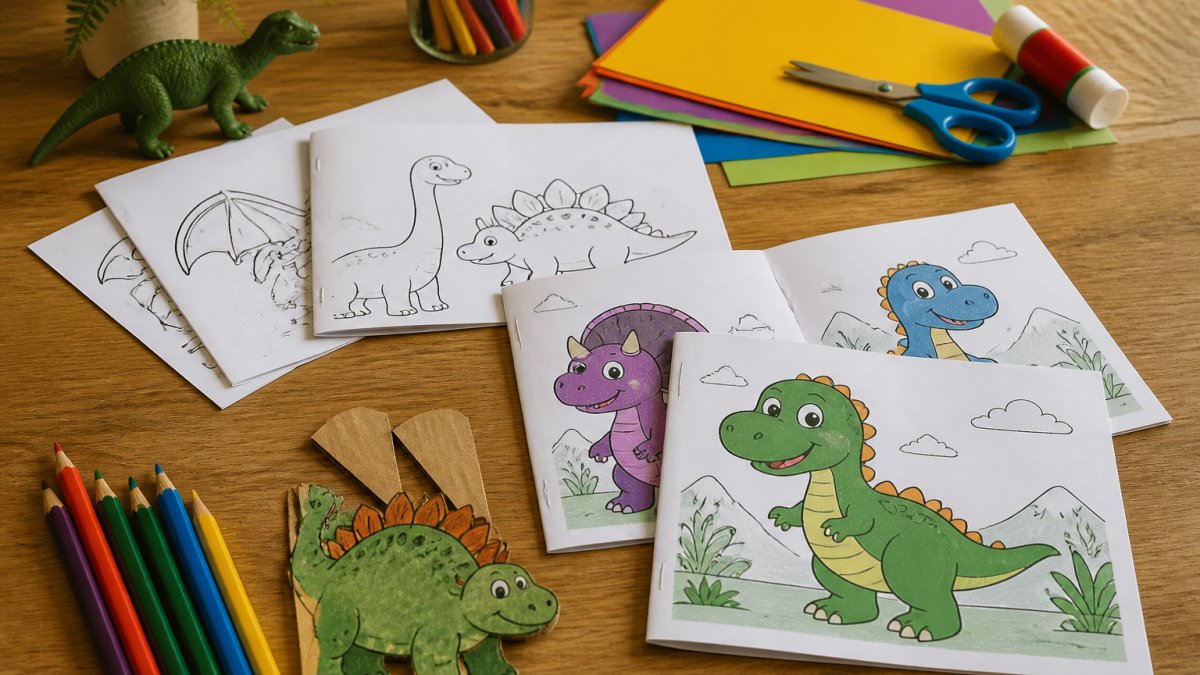
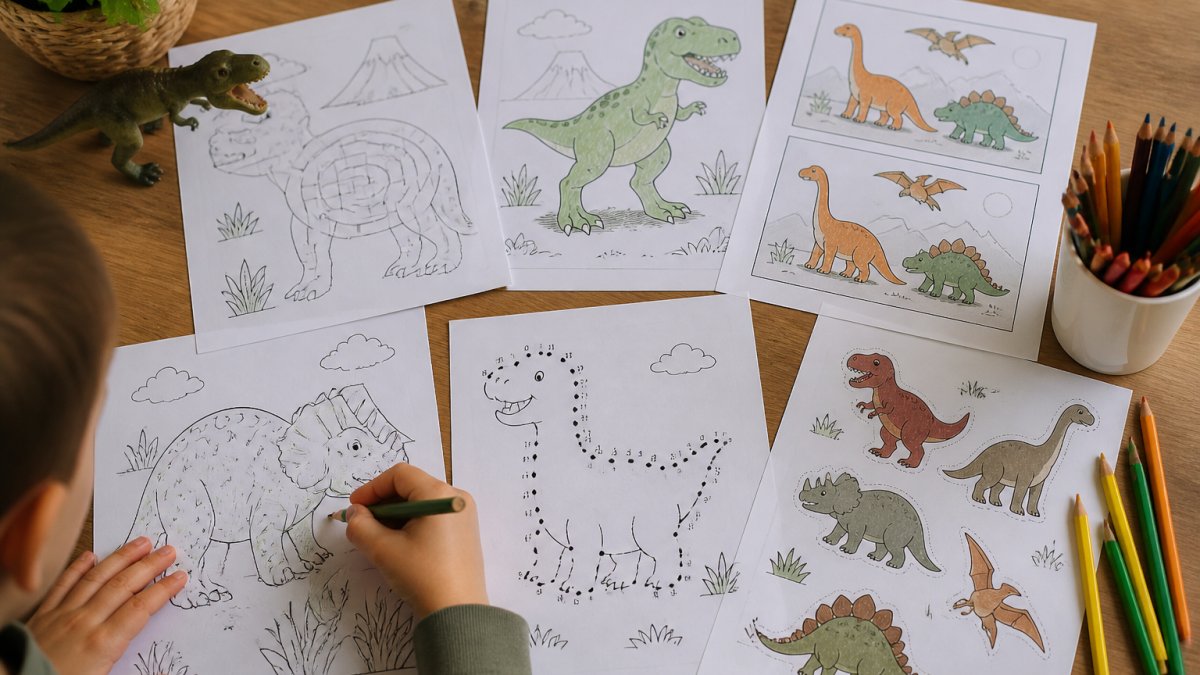
 comparison
Why Pay for Printable Colouring Pages
Last Updated: 23 October 2026
Quick Summary
Paid printable colouring pages offer themed sets with consistent design quality, narrative progression, and sustained engagement that free collections often lack. Families investing in curated, themed printable colouring pages typically report higher engagement and longer activity sessions compared to random free downloads.
- Paid collections bundle 10-50+ pages around a single theme with consistent illustration style and narrative progression
- Free pages work well for casual one-time use but often mix design styles, difficulty levels, and themes without coherence
- Paid sets feature clear line work, age-appropriate complexity gradients, and thematic coherence that sustains children's interest across multiple sessions
- A themed collection keeps children occupied longer because there's narrative continuity rather than isolated, unrelated designs
- For families with multiple children, a single paid set often works across age ranges with simpler and more complex designs
Table of Contents
- The Case for Paid Printable Colouring Pages
- Free vs Paid Printable Colouring Pages: What's the Real Difference?
- Printable Colouring Pages for Kids: Design Quality and Engagement
- Benefits of Colouring for Children Beyond the Page
- How to Print Colouring Pages at Home Effectively
- Value for Money: What You Actually Get With Paid Downloads
- Frequently Asked Questions
The Case for Paid Printable Colouring Pages
When you're searching for printable colouring pages, the free options seem obvious. Why pay when thousands of free designs exist online? But here's what many parents discover: free collections often lack the cohesion, quality, and engagement that paid sets deliver. Families investing in curated, themed printable colouring pages often report higher engagement and longer activity sessions compared to random free downloads.
The difference isn't always obvious at first glance. Both free and paid options come as digital downloads you print at home. But the underlying value proposition shifts when you consider design consistency, thematic storytelling, and age-appropriate complexity. Paid collections typically offer themed sets, dinosaur adventures, mindfulness activities, story-based sequences, that keep children engaged across multiple pages rather than offering isolated, unrelated designs.
A common mistake is assuming all printable colouring pages serve the same purpose. They don't. One-off free pages work fine for a rainy afternoon distraction. But if you're looking for sustained engagement, educational value, or a cohesive activity experience, paid downloads often deliver something qualitatively different.
Free vs Paid Printable Colouring Pages: What's the Real Difference?
The choice between free and paid printable colouring pages comes down to what you're actually trying to achieve. Free pages excel for casual, one-time use. Paid collections suit families seeking themed sets with consistent quality and narrative continuity.
Free options offer obvious advantages: zero cost, instant access, and variety. You can find hundreds of designs within minutes. The downside emerges gradually. Free collections often mix design styles, difficulty levels, and themes without coherence. Your child colours a cartoon character one page, then switches to a realistic animal, then finds a geometric pattern. There's no thread connecting them.
Paid collections take a different approach. They typically bundle 10-50+ pages around a single theme or story. A dinosaur-themed set, for example, features different species at varying difficulty levels, all illustrated in a consistent style. Pages often build on each other, introducing characters, developing scenarios, creating narrative progression. This consistency keeps children engaged longer because there's a reason to move from one page to the next.
According to Squiggle Press's comparison of free versus paid printable colouring books, free pages work well for casual activities, while paid sets offer curated, themed collections that suit families seeking a complete activity experience. The research notes that both can be good or poor quality, the distinction isn't inherent to free or paid status, but rather to design intention and curation.
Printable Colouring Pages for Kids: Design Quality and Engagement
Design quality directly affects how long children stay engaged with colouring activities. Paid printable colouring pages typically invest in professional illustration, age-appropriate complexity gradients, and visual appeal that sustains interest across multiple sessions.
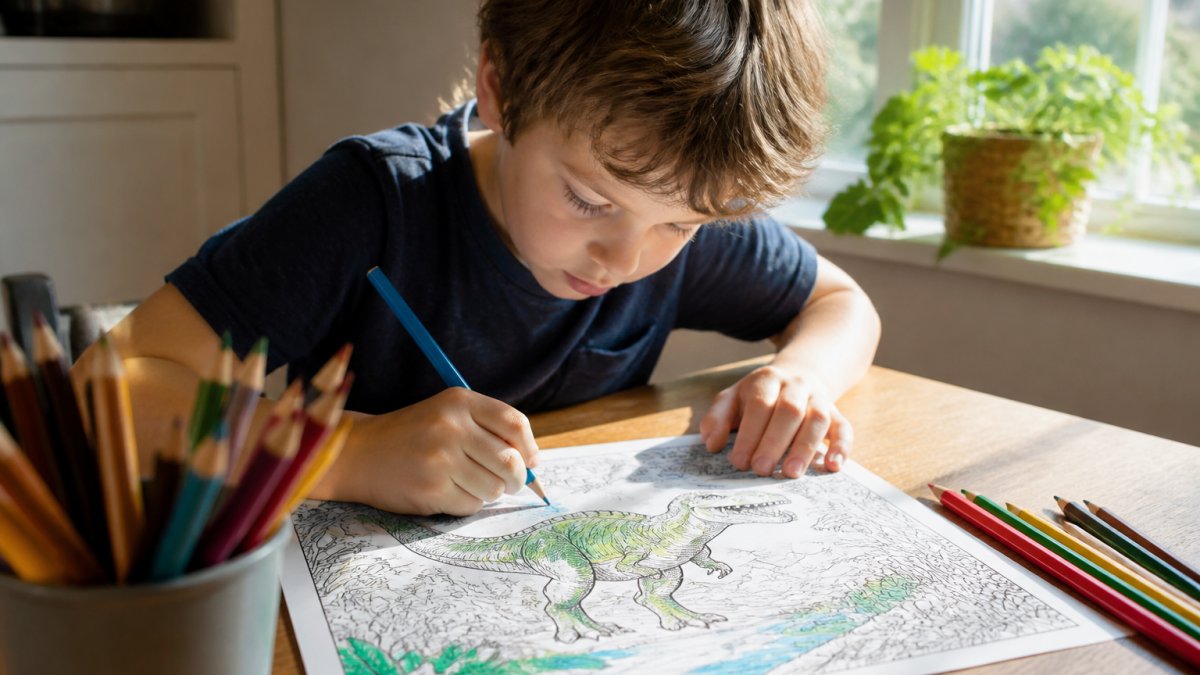
Free designs often prioritise quantity over refinement. You'll find plenty of options, but many suffer from low resolution, unclear line work, or designs that feel hastily assembled. Children notice this immediately. A poorly rendered outline is harder to colour within, leading to frustration rather than calm focus.
Paid collections typically feature:
- Clear, well-defined line work that's easy for small hands to navigate
- Thoughtful composition that balances white space with detail
- Consistent illustration style across the entire set
- Age-appropriate complexity, simpler designs for younger children, more intricate patterns for older ones
- Thematic coherence that creates narrative progression
This matters more than it sounds. When a colouring page has crisp lines, logical layout, and visual appeal, children spend more time on it. They're less likely to abandon the activity halfway through. The experience shifts from "something to do" to "something worth doing."
Benefits of Colouring for Children Beyond the Page
Colouring offers genuine developmental benefits that extend far beyond the activity itself. It builds fine motor control, encourages focus, and creates moments of calm in busy days. For anxious or overstimulated children, colouring provides a structured, screen-free outlet that many parents find invaluable.
The practice develops hand-eye coordination and pencil grip strength, foundational skills for writing. It also encourages sustained attention. Children who sit with a colouring page for 15-20 minutes are practising focus in a low-pressure environment. There's no right or wrong answer, no performance anxiety, just the simple act of choosing colours and filling space.
Mindfulness benefits are real, though often overstated in marketing. Colouring doesn't automatically create calm. But when the activity is engaging, the environment is quiet, and the child has chosen to participate, colouring can genuinely lower stress levels. It becomes meditative, a break from the constant stimulation of screens and structured activities.
Themed colouring pages amplify these benefits. A dinosaur-themed set, for example, naturally invites learning. Children ask questions about the species they're colouring, research facts, and develop curiosity about the subject matter. The activity becomes educational without feeling like a lesson.
How to Print Colouring Pages at Home Effectively
Printing digital downloads correctly makes a significant difference in how usable they are. Poor printing results in faded colours, misaligned pages, or wasted paper and ink. A few simple practices ensure your printable colouring pages actually work well.
Start with the right paper. Standard copy paper works, but colouring pages benefit from slightly heavier stock, 100-120 gsm cardstock or premium paper designed for colour printing. It holds pencil marks better and feels more substantial in a child's hands, which increases the sense that the activity is "real" and worth completing.
Check your printer settings before printing. Use the "best" or "high quality" setting for colour. This takes longer but produces sharper line work and more vibrant colour reproduction. For black-and-white colouring pages, standard settings are fine, but ensure your black ink cartridge is full.
Print a test page first. This catches alignment issues or colour problems before you've wasted a full set. If lines are faint or colours are off, clean your printer heads or check ink levels.
Consider your storage. Digital files are easy to lose. Create a folder on your computer specifically for colouring pages you've purchased or downloaded. Back them up to cloud storage. This prevents the frustration of losing access to content you've paid for or finding files weeks later when you need them.
Value for Money: What You Actually Get With Paid Downloads
When evaluating whether paid printable colouring pages justify their cost, consider what you're actually purchasing beyond just images. You're investing in design curation, thematic consistency, educational value, and engagement sustainability.
A paid collection typically offers 15-50+ pages around a single theme. You're not paying per page, you're paying for a complete activity set. Compare this to the time cost of searching for, vetting, and compiling free pages yourself. Many parents discover that the 30-45 minutes spent hunting for decent free pages, downloading from multiple sources, and checking file quality represents real time cost. Paid sets eliminate this friction.
There's also the engagement factor. A themed collection keeps children occupied longer because there's narrative continuity. A set of dinosaur colouring pages featuring different species, difficulty levels, and story elements sustains interest across multiple sessions. A random collection of free pages often results in children picking one or two and losing interest.
Quality consistency matters too. When you purchase from a creator focused on children's activities, you're getting pages designed with child development in mind. The illustrations are professional.
For families with multiple children, a single paid set often works across age ranges. A well-designed collection includes simpler pages for younger children and more complex designs for older ones. This represents better value than hunting for separate free sets for each child.
The intangible value is real too. Families report that having a "complete" activity set, rather than scattered free pages, creates a sense of occasion. Children treat it as a special activity rather than a random distraction. This psychological shift often leads to deeper engagement and longer activity duration.
Choosing between free and paid printable colouring pages ultimately depends on what you need. For occasional, one-off activities, free options serve perfectly. But if you're seeking sustained engagement, thematic coherence, and professional design quality, paid collections deliver measurable value. At Roarora, we create printable colouring packs designed specifically to engage children aged 3-8 with original dinosaur characters, mindfulness activities, and story-based sequences. Our themed sets feature consistent illustration style, age-appropriate complexity gradients, and narrative progression that keeps children engaged across multiple sessions. Explore our collection and discover how thoughtfully designed printable colouring pages transform screen-free time into genuine moments of creativity and calm.
Frequently Asked Questions
Why should I pay for printable colouring pages when free ones are available?
Paid printable colouring pages typically offer curated themes, consistent quality, and designs created specifically with engagement in mind. Free options can vary widely in quality and often lack cohesion across a set. Paid collections are frequently designed by specialists who understand child development, resulting in age-appropriate difficulty levels and storylines that hold children's attention longer than random free pages.
What are the main benefits of colouring for children?
Colouring develops fine motor skills, hand-eye coordination, and concentration. It encourages creativity without the pressure of creating something from scratch. For many children, colouring provides a calming activity that reduces anxiety and supports mindfulness. Themed colouring pages, such as those featuring dinosaur characters, can spark imagination and encourage storytelling alongside the activity itself.
How do I print colouring pages at home without wasting paper or ink?
Print on standard A4 paper using economy or draft mode to reduce ink consumption. Preview each page before printing to avoid mistakes. Consider printing double-sided to save paper, or batch-print several pages at once rather than printing one at a time. Quality paid collections often come as optimised PDFs that print cleanly without excessive ink use.
Can I print purchased colouring pages more than once?
Most paid printable downloads allow you to print multiple copies for personal use within your household. Always check the licence terms when you purchase, as they vary by seller. Typically, you can print as many times as you need for your own children or family members, making a single purchase suitable for siblings or repeat use over time.